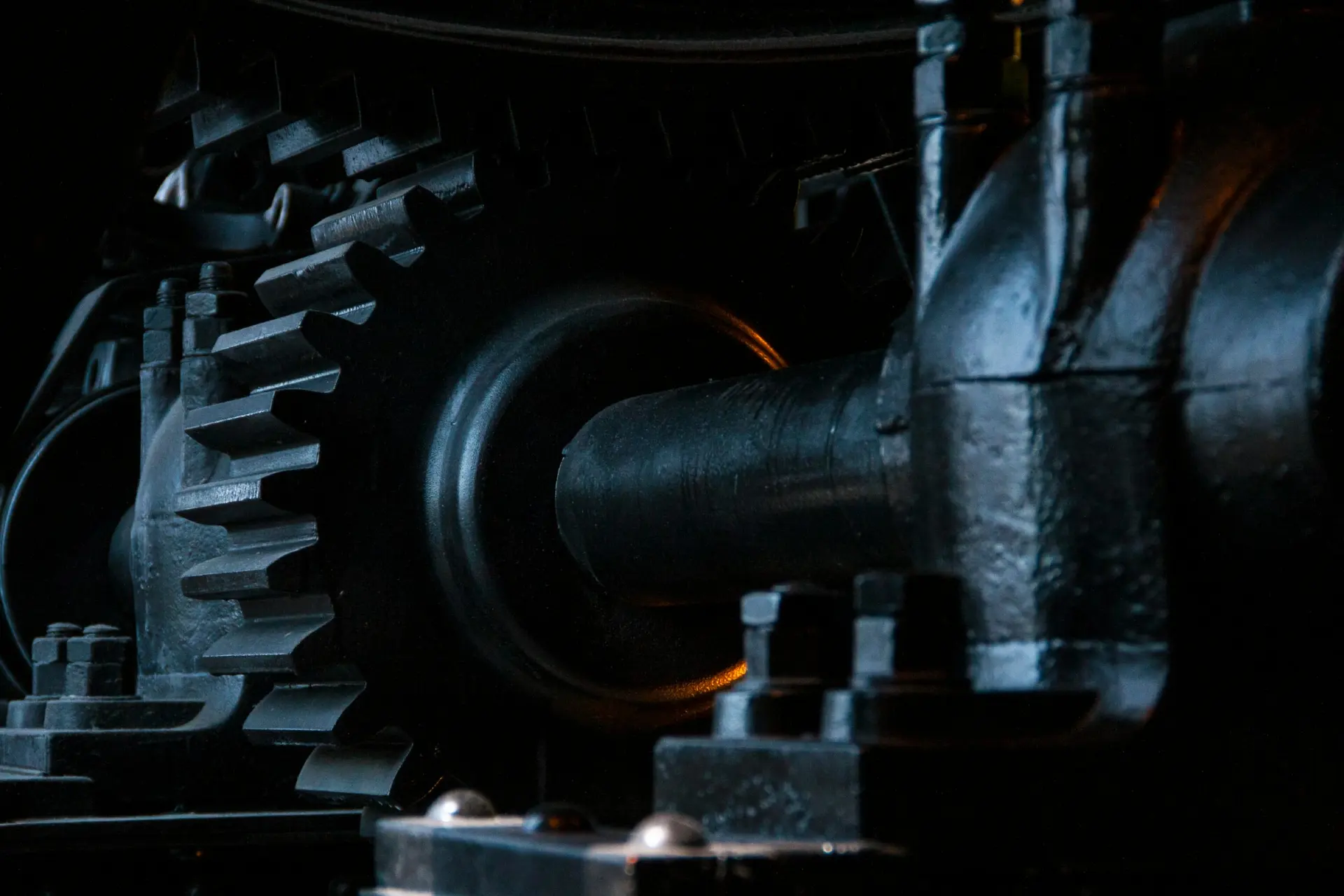
Gears and a drive shaft inside industrial machinery

Company

Industry Applications

Explore seven sectors where engineered metal and plastic components support equipment, buildings, infrastructure, products and transportation.

Sectors
Seven application areas
Applications
Parts, assemblies and products
Processes
Selected to the part and project
Specifications
Defined by drawing and scope
Records
Agreed for each project

We start from how the part is used

A machine guard, a door hinge and a drain grate have different loads, environments and fit requirements. The drawing, operating conditions and production needs help define suitable materials, processes, finishes and inspection.

The examples below outline common applications and specification inputs. Standards are examples buyers may specify, subject to project scope and confirmation with the selected production facility. They do not represent certification or compliance guarantees.

Standards depend on project scope

References below are examples of standards or requirements a buyer may specify. They do not claim that Prime Craft Metal or a production facility is certified, accredited or compliant. Confirm applicability, facility capability, evidence and responsibility for each project before order.

  • AWS D1.1 structural-steel welding
  • ISO 3834 welding quality requirements
  • EN 1253 floor drains
  • ASME A112.6.3
  • EN 1433 drainage channels
  • ISO 14120 machine guards
  • ISO 9227 salt spray testing
  • ISO 12944 protective paint systems
  • PPAP where customer-required
  • RoHS and REACH substance requirements

Machinery, building and water

Structural and functional parts where fit, strength and finish life decide the result.

Industrial machinery

Frames, guards and drive parts for equipment builders

Machinery components may need controlled alignment, fit and service access across repeat orders. These requirements inform fabrication, inspection and assembly planning.

  • Typical applications: machine guards, welded base frames, motor mounts, brackets, gears, shafts, bushings and sheet metal covers
  • Processes to assess: cutting, forming, welding, machining and assembly, based on material, geometry and volume
  • Specification inputs: loads, alignment and datum requirements, drawing tolerances, guard requirements, service environment and repeat-order controls
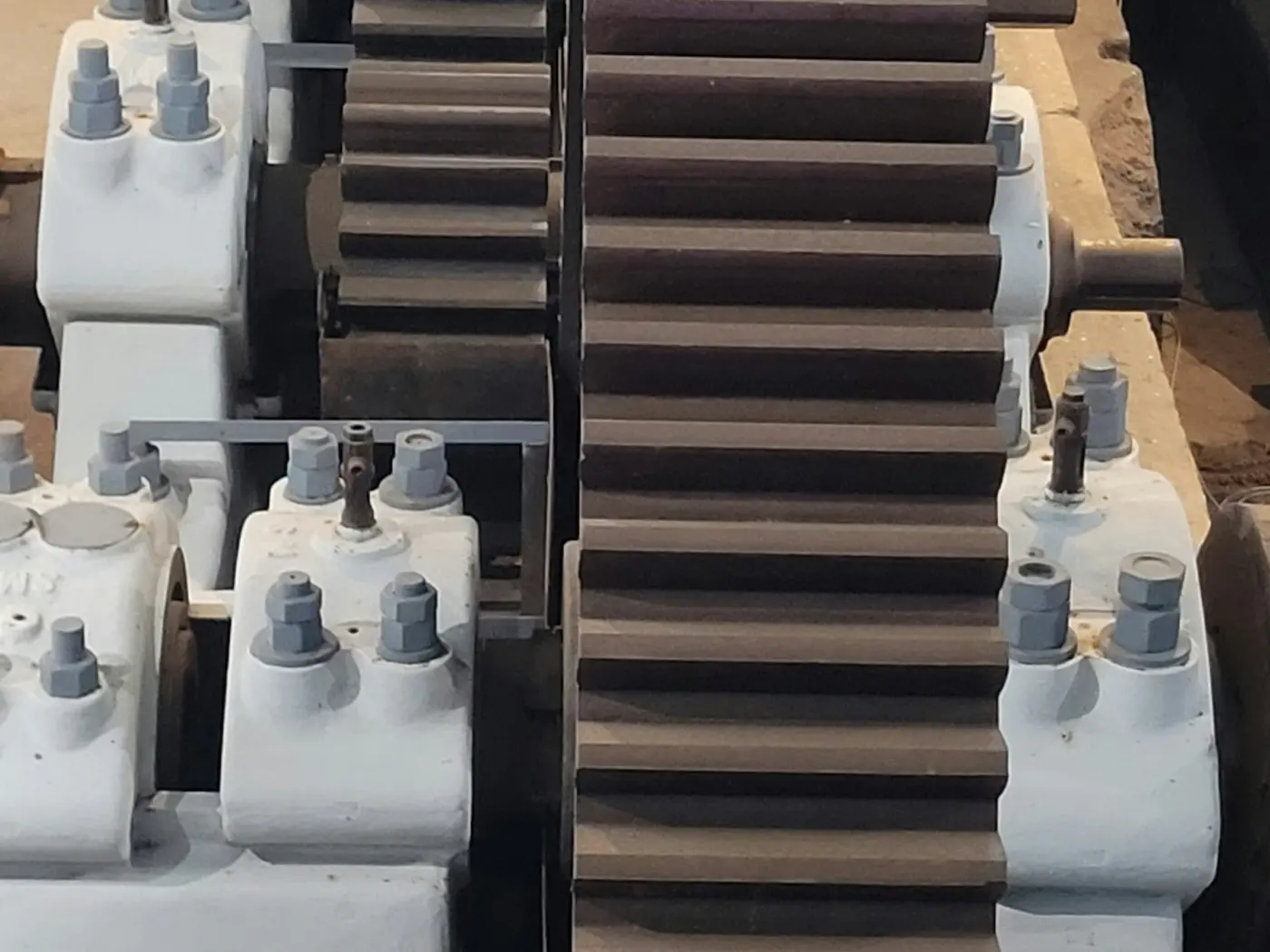
Large spur gears meshing inside an industrial drive unit

Building products and door hardware

Hinges, plates and handles for defined fit and finish

Architectural hardware can require consistent appearance, operating feel and mounting geometry. Finish samples, hole patterns and packaging requirements should be agreed before production.

  • Typical applications: hinges, hinge leaves and pins, strike plates, lever and pull handles, escutcheons, closer brackets and cover plates
  • Processes to assess: stamping, machining, forming, polishing, coating and plating, subject to part design and finish requirements
  • Specification inputs: door preparation and hole pattern, operating cycles and loads, finish sample, corrosion test method, fire-door requirements if applicable, packaging and labels
Brushed metal lever handle on a gray door

Drainage and water management

Drains, grates and channels for specified duty

Drainage components may face water, cleaning chemicals and traffic loads. Installation, flatness, load class and corrosion requirements should be defined at the design stage.

  • Typical applications: floor drain bodies, slot and square grates, trench drain channels, gully tops, clamping rings, flanges, access covers and pump housings
  • Processes to assess: cutting, forming, casting or machining, welding and surface treatment, according to product design and material
  • Specification inputs: flow and connection details, installation conditions, required load class, corrosion exposure, applicable drain standard and any test evidence
Slotted metal drain grate set into wet concrete

Application specifications at a glance

Examples for scoping only. Materials, processes, standards and records require project-specific review and confirmation.
SectorTypical applicationsProcesses to assessSpecification inputs
Industrial machineryFrames, guards, mounts, gears and shaftsCutting, forming, welding, machiningLoads, alignment, tolerances, guard requirements
Architectural hardwareHinges, handles, strike plates and bracketsStamping, forming, machining, finishingFit, cycle life, finish, corrosion testing
Water and drainageDrains, grates, channels and access coversForming, machining, welding, surface treatmentFlow, load class, installation, corrosion and testing
Electrical enclosuresCabinets, doors, panels, boxes and bracketsCutting, bending, hardware insertion, coatingIngress protection, cut-outs, bonding and gasket details
Agriculture and constructionFrames, guards, brackets, wear plates and tube partsCutting, forming, welding, machining, coatingLoads, vibration, abrasion, weather and repair needs
Consumer goodsHousings, trims, handles, cookware and molded coversStamping, molding, finishing, assemblyAppearance, color, safe edges, material restrictions, packaging
Automotive and transportationBrackets, reinforcements, trays, shields and tube assembliesStamping, tube bending, welding, machining, moldingCustomer approval route, change control, traceability and records

Electrical enclosures and equipment

Enclosures and structures with fit, weather, vibration and service-life requirements.

Electrical enclosures

Cabinets, boxes, panels and mounting parts

Enclosure performance depends on the complete assembly: material, seams, cut-outs, coating, seals and hardware all affect fit and protection. Define the installation environment and the required ingress protection level before selecting a design and process.

  • Typical applications: control and junction boxes, cabinets, mounting plates, DIN rail brackets, gland plates, doors, covers and molded housings
  • Requirements to review: enclosure type or IP rating, bonding points, gasket design, cut-out layout, coating specification and RoHS or REACH obligations where applicable
  • Specification inputs: drawing revision, hardware installation sequence, finish coverage, seal inspection and any environmental test evidence
Illustrative unbranded electrical control cabinet with wiring and mounting rails

Agriculture and construction

Structures and wear parts for working equipment

Equipment used outdoors can face impact, vibration, abrasion, moisture and changing loads. These conditions influence joint design, material selection, coatings and maintainability. Production schedules and service-part needs should be defined with the project.

  • Typical applications: chassis frames, hitch and linkage brackets, guards and shields, wear plates, hopper panels, pivot parts, axle parts and tube assemblies
  • Requirements to review: structural weld requirements, abrasion and weather exposure, corrosion protection system, material documentation and service-part plan
  • Specification inputs: loading, weld details, fixture datums, coating preparation, inspection scope and seasonal schedule
Tractor working long furrows across a wide field at dusk

From application to production plan

A project can be assessed against its drawings, operating conditions, volume and required approvals.

  1. 01

    Define the application

    Share the part drawings, use conditions, expected volumes and customer requirements available for review.

  2. 02

    Review feasibility

    Assess manufacturability, material and process options, key risks, and the information still needed to quote.

  3. 03

    Agree samples and approvals

    Set the sample, first article, test or customer approval scope and acceptance criteria before work begins.

  4. 04

    Confirm production controls

    Document the agreed inspection points, records, revision controls and change process for the project.

  5. 05

    Set delivery requirements

    Confirm packaging, labels, shipment terms and any records that must accompany the parts.

Consumer goods and transportation

Products combine functional requirements with appearance, approval and packaging needs.

Consumer goods

Parts and products people handle every day

Consumer parts can be judged by appearance and feel as well as function. Define visible surfaces, edge conditions, color references and packaging so acceptance criteria are clear before production.

  • Typical applications: appliance housings, trims and bezels, handles and knobs, cookware parts, furniture hardware, retail fixtures and molded covers
  • Requirements to review: cosmetic surface criteria, color reference, RoHS or REACH obligations, and food-contact requirements where relevant
  • Specification inputs: limit samples, inspection lighting and method, deburring, label content and retail or transit packaging
Set of dark coated pans and saucepans with steel handles

Automotive and transportation

Brackets, stampings and tube parts for vehicle programs

Vehicle and transportation programs may have customer-specific approval, traceability and change-control requirements. The customer defines the submission route and acceptance criteria; confirm the selected facility can support that scope before commitment.

  • Typical applications: stamped brackets and reinforcements, seat-frame parts, battery trays and covers, heat shields, tube hangers, tube assemblies and molded clips
  • Requirements to review: customer-required PPAP level, process flow, PFMEA, control plan, material data, capability studies and change approval
  • Specification inputs: launch timing, production volumes, key characteristics, traceability, record retention and service-part expectations
Underside of a vehicle showing a black tube frame, exhaust pipes on clamped hangers and a bolted transmission mount

Sector questions

Do you hold the certifications my sector asks for?

Certification status depends on the production facility selected for a project. Share the required certification and scope so facility status and supporting evidence can be checked before any commitment.

Can you work to our supplier quality manual?

Share the manual, drawing notes and approval process for review. Feasibility, responsibilities, inspection records and any gaps can then be confirmed for the project.

Can you arrange load, IP or salt spray testing?

Testing may be considered where the project requires it. The test method, facility or laboratory, acceptance criteria, timing and cost need to be confirmed in the project scope.

Do you have experience in our sector?

These are illustrative application areas. Share a drawing, standards and expected volume so feasibility can be assessed for your project.

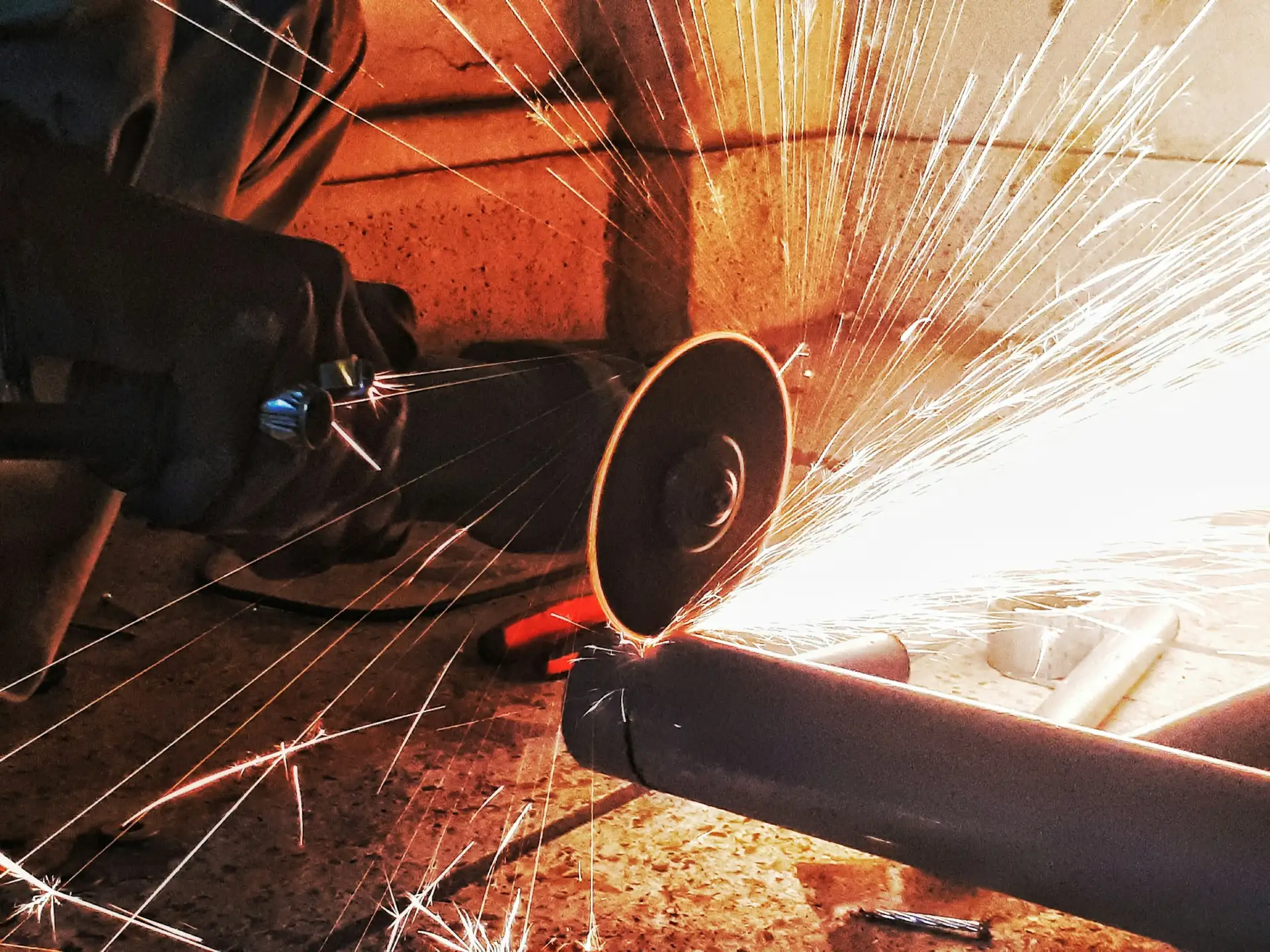
Angle grinder cutting a steel tube with a spray of sparks

Define the requirements early

Clear drawings, acceptance criteria and project records help teams assess fit, risk and production readiness.

  • Application and operating conditions
  • Customer standards and approvals
  • Inspection and record scope
How quality planning is approached

Tell us what your sector needs

Send your drawing, volume and the standards you work to. We will review the request and confirm next steps.