Option A
Powder coating
- Broad color and texture choices
- Coating build can affect mating dimensions
- Can be specified for suitable steel and aluminum substrates
- Threads and contact faces may need masking


Technical Resource
Compare powder coating, Type II and III anodizing, passivation, electroplating and bead blasting by substrate, function and drawing requirements.
A finish protects the part, changes how it looks, or both. The right choice depends on the base metal, the environment, the look you need and how the part is assembled.
Finishes also affect fit, because most add thickness, and grounding, because many do not conduct. Specify the finish early so the design and tolerances allow for it.
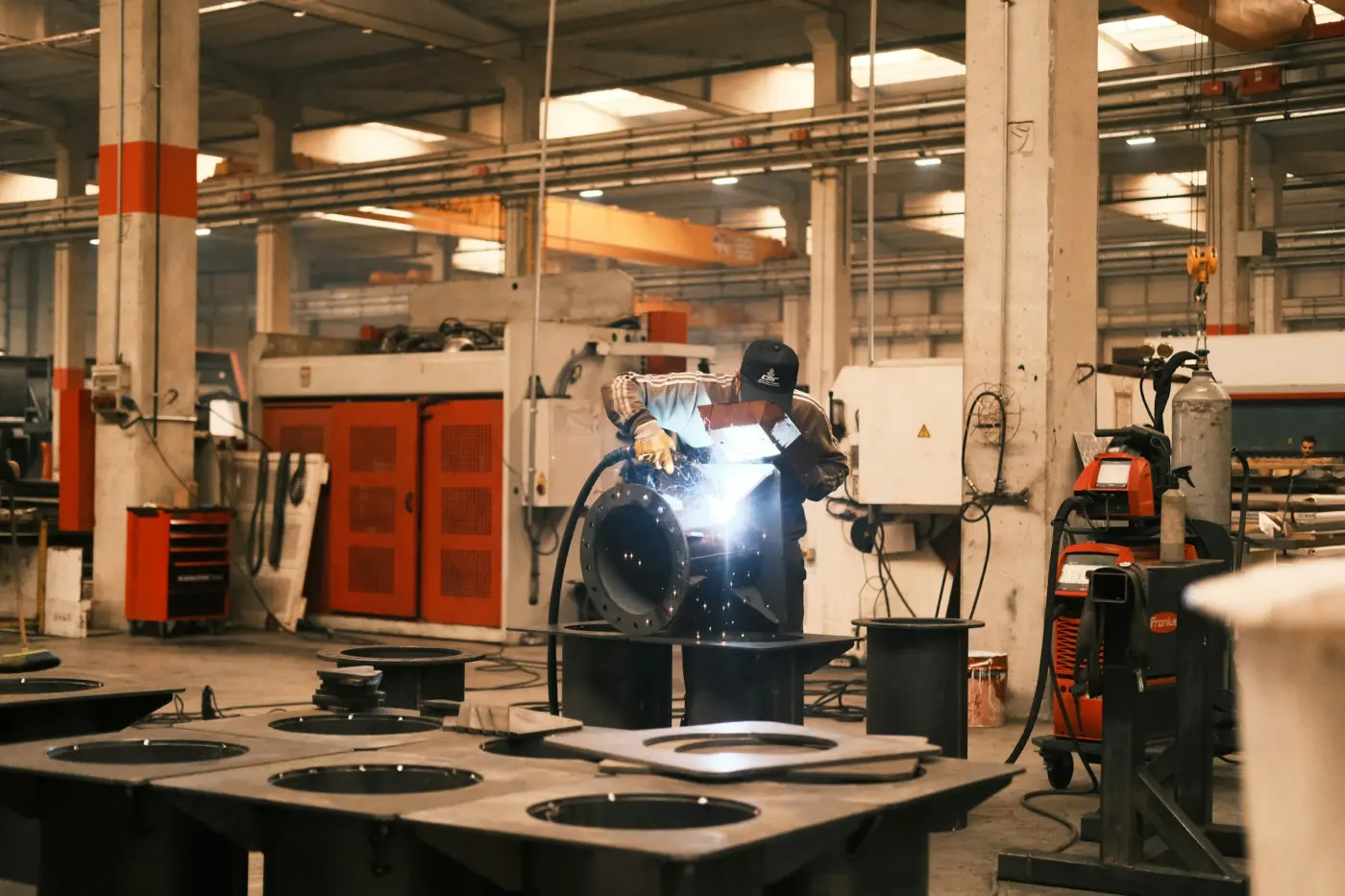
Illustrative manufacturing photos. Specify appearance and performance on the drawing.

| Finish | Base metal | Thickness | Conducts | Best for |
|---|---|---|---|---|
| Powder coat | Steel, galvanized, aluminum | 60-120 um | No | Durable color |
| Anodize Type II | Aluminum | 5-25 um | No | Thin metallic finish |
| Hard anodize Type III | Aluminum | 25-75 um | No | Wear surfaces |
| Zinc plating | Carbon steel | 5-25 um | Yes | Fasteners, brackets |
| Passivation | Stainless steel | No build-up | Yes | After machining or welding |
| E-coat | Steel, aluminum | 15-30 um | No | Even cover, primer |
| Bead blasting | Steel, stainless, aluminum | No coating build | Base metal dependent | Surface texture preparation |
Color chips are indicative only. Final color and gloss are agreed with approval samples.
Sacrificial corrosion protection for hardware and small steel parts.
Durable, uniform color with good coverage on large parts.
Hard oxide layer grown from the aluminum surface, clear or dyed.
Thin conversion coating with a dark finish, usually oiled.
Hard, bright and wear resistant plated layer.
Even primer coat or custom-color paint system.
Chemical treatment that restores corrosion resistance on stainless.
Mechanical finishing for a satin or mirror surface.
| Finish | Often specified as | Also state |
|---|---|---|
| Powder coat | Thickness range, RAL color | Gloss, texture, adhesion test |
| Anodize | MIL-A-8625 Type II or III | Class 1 clear or Class 2 dyed |
| Zinc plating | ASTM B633 or ISO 2081 | Trivalent passivate color |
| Passivation | ASTM A967 or AMS 2700 | Nitric or citric method |
| E-coat | Thickness range | Salt-spray test standard |
Common alternatives for aluminum enclosures and panels.
Option A
Option B
Compare coating requirements, wear, appearance, fit and substrate before selecting a finish; confirm sample feasibility during quotation.
Match the finish to the base metal first, then to the environment and the look.
Zinc plating for hardware, powder coat for color, e-coat for complex shapes or as a primer under powder.
Anodize for a thin metallic finish or wear surfaces; powder coat for color matched to steel parts.
Passivate after machining or welding. Brush or polish where the face is visible.
Anodize, powder and e-coat insulate. Mask contact faces or choose zinc or passivation.
Allow for build-up or mask the feature. Passivation and black oxide barely change size.
For high-strength steel, assess hydrogen-embrittlement risk and specify any required post-plating relief treatment.
Define measurable acceptance criteria with the selected finish and service environment.
Passivation is a chemical treatment that removes free iron and restores the protective oxide on stainless, with no visible change. Electropolishing removes a thin layer of metal electrically, leaving a bright, smooth surface that is easier to clean. Electropolishing passivates as it works but costs more.
A suitable zinc system may be available, but compliance depends on the complete coating chemistry and current declarations. State the applicable requirement on the drawing and request supporting documentation at quotation.
Most do. Powder coat adds the most, while anodizing grows partly into the surface and partly outward. We account for build-up in the design review and mask critical features when needed.
Provide a color reference or sample part. Feasibility, acceptable variation and any approval sample can then be defined for the project.
We agree the specification with you first, then confirm the finish and any required test per project. A coating thickness report can be supplied with the parts. We do not quote test results in advance.
This can be evaluated during quotation. Separate finishing routes may affect scheduling, packaging and inspection requirements.
Share the base metal, service environment, appearance and fit requirements for a finishing review during quotation.
Compare stainless, aluminum and carbon steel grades by typical properties.
Learn moreCut, formed, joined and finished sheet metal components and assemblies.
Learn more
CNC milling and turning for shafts, housings, manifolds and custom components.
Learn more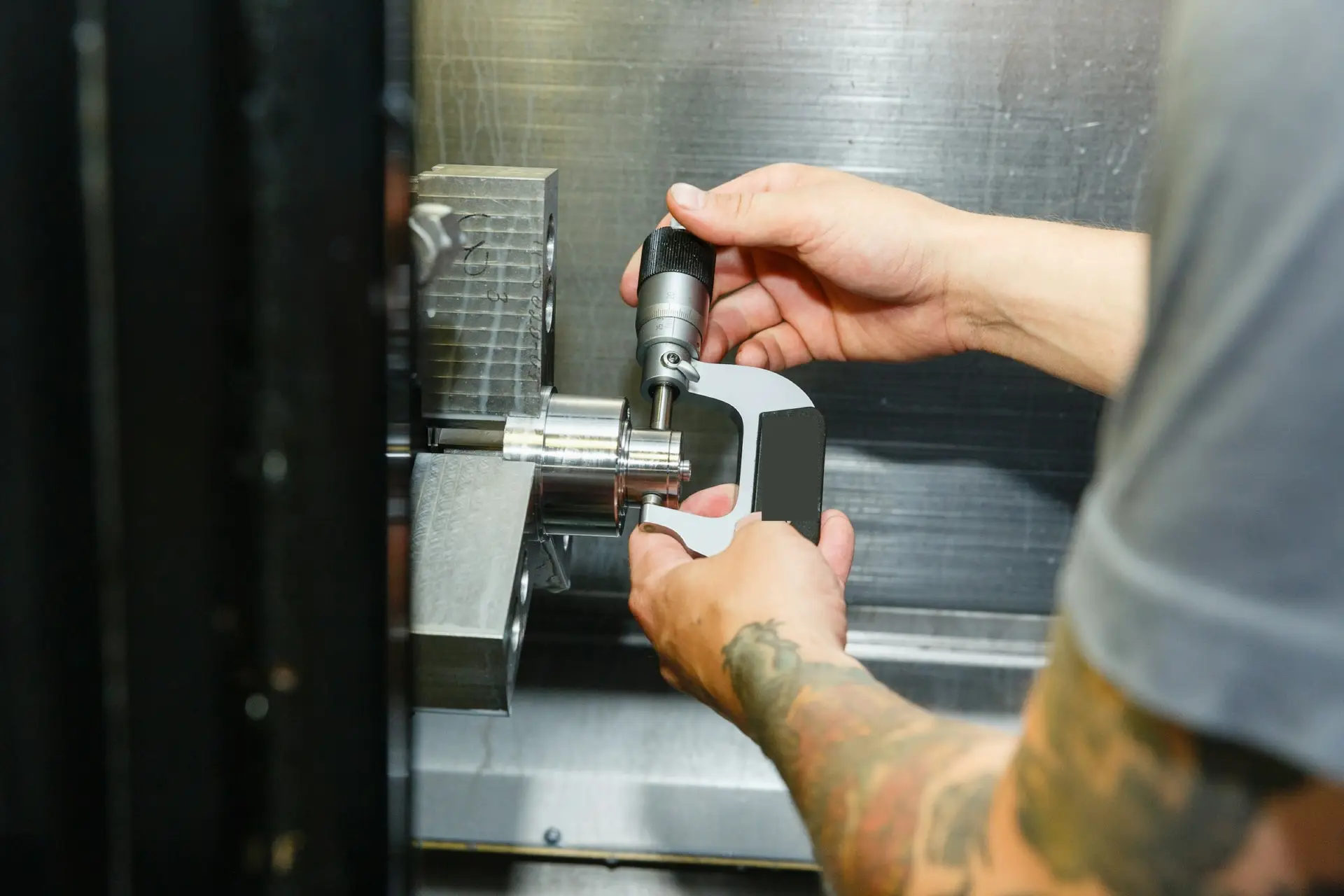
Agree inspection gates, measurement methods and records for each project.
Learn more