
Company
Project Milestones & Lifecycle Gates
A clear sequence connects the first drawing review to recurring production. The applicable stages, evidence, owners and timing are agreed for each project.
- Starting point
- Drawing and requirements
- Review
- Process and proposal scoped to the part
- Samples
- Checks agreed before review
- Release
- Approval conditions defined by project
- Timing
- Confirmed in the quotation
Agree the checkpoints before work begins
A manufacturing plan is easier to follow when each stage has a clear question to answer, evidence to review and decision owner.
The sequence below is a starting point. The quotation and project plan define which gates apply, what records are included and who approves the next step.
Six stages from review to expansion
The route adapts to the part, process and customer requirements. Some stages may be combined or omitted by agreement.
-
01
Review and proposal
Review the drawing, requirements and likely production route. The proposal records scope, open questions, assumptions, deliverables and quoted timing.
-
 02
Prototype
Where useful, make samples through an agreed route to assess fit, form, function, material or finish. Sample quantity and review criteria are defined for the project.
-
 03
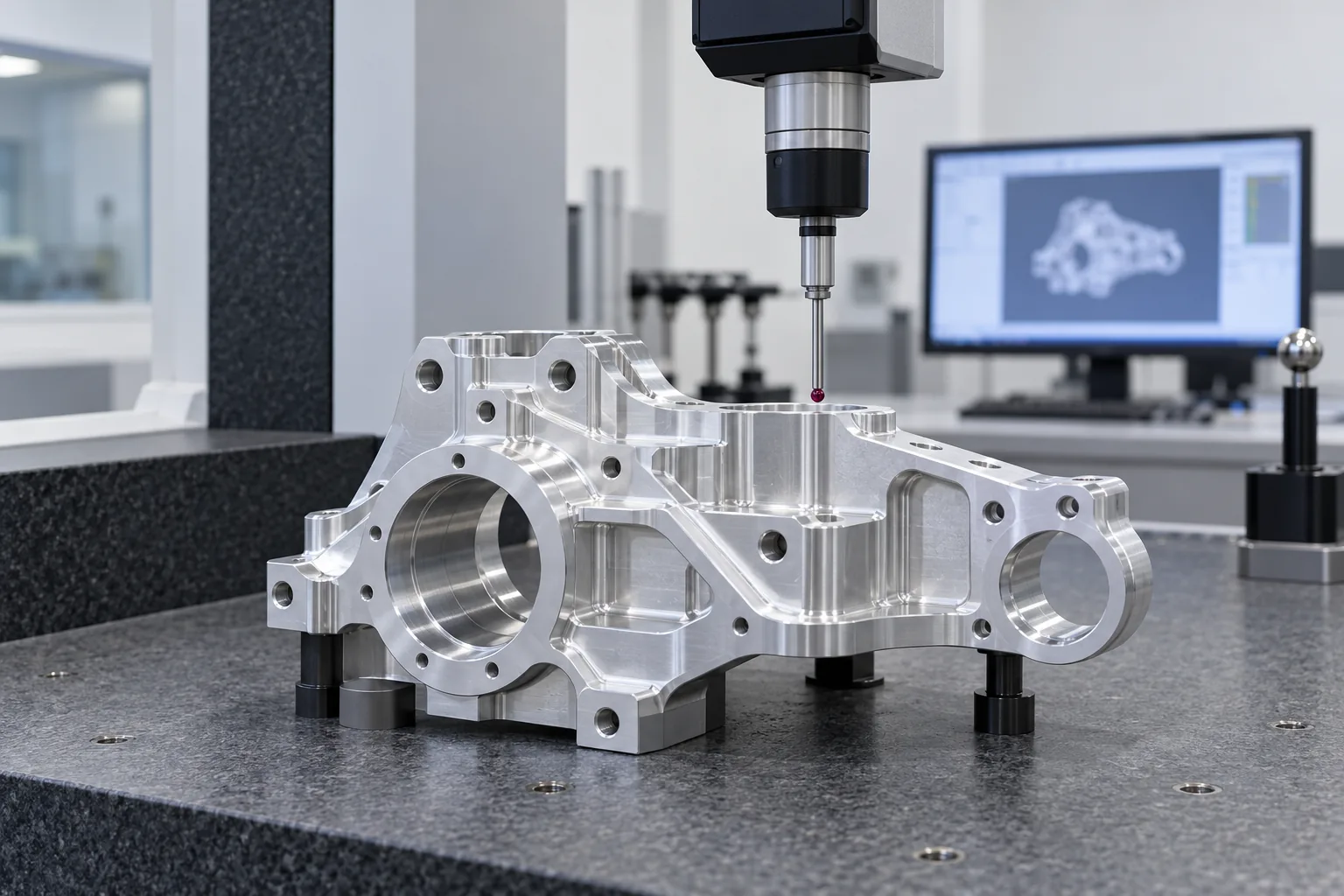
First article inspection
When included in scope, inspect initial production-intent parts against the agreed drawing characteristics and acceptance criteria. The report contents and approval role are confirmed for the project.
-
 04
Pilot run
A pilot quantity can be used to review the selected production route, inspection approach and packaging. Findings and open actions inform the next release decision.
-
 05
Serial release
Recurring production can proceed when the agreed release conditions are met. The current drawing revision, inspection scope, order quantity and delivery plan are confirmed.
-
 06
Program expansion
Related parts, processes or assembly steps can be assessed as demand develops. Each addition is reviewed for scope, capability, capacity, records and commercial terms.
Five steps to manage each gate
Use the same practical sequence at each applicable milestone, with responsibilities and approvals agreed for the project.
- 01
Define the gate
Record the question to answer, requirements, owner and decision needed to proceed.
- 02
Agree the evidence
Set the sample, inspection, test or document scope and acceptance criteria where applicable.
- 03
Complete the work
Carry out the agreed review or build and keep the applicable drawing revision visible.
- 04
Review findings
Share results, identify open actions and record any requested changes or decisions.
- 05
Confirm the next step
Document the release decision, remaining conditions and updated plan before moving forward.
Scope varies by project
A straightforward repeat part may need fewer checkpoints than a new design, tooling program or regulated application. Required samples, records and approvals are agreed in the project scope.
Plan your next manufacturing project
Share the drawing, requirements, target quantities and requested records to discuss a suitable project route.
Related pages

About
Engineering review and partner production planned around your part and program.
Learn more
Industries
Application examples for seven sectors, from industrial machinery to transportation.
Learn more
New Product Introduction
A project-scoped path from design review through production release.
Learn more
Quality Management
Agree inspection gates, measurement methods and records for each project.
Learn more