
Technical Resource
Frequently Asked Questions (FAQ)
Answers to common inquiries about quotation requirements, drawing formats, tooling ownership, quality documentation and shipping logistics. Project-specific terms are confirmed in the proposal.
Quoting and ordering
What does Prime Craft Metal do?
Prime Craft Metal presents contract manufacturing options for custom metal and plastic parts and assemblies. Share your drawing, material, quantity and delivery needs so a production and inspection scope can be confirmed.
What do I need to send for a quote?
Send a dimensioned PDF drawing and, where available, a STEP or IGES model. Include material grade, finish, order quantity, estimated annual volume, destination country and any required documentation, such as FAI, CoC, MTR or PPAP.
How fast will I hear back?
Response and quotation timing depend on drawing completeness, tooling and review scope. Share the part details and target date so a realistic schedule can be discussed.
What happens after I send a request?
The request is reviewed for drawing completeness, material, finish, quantity and required documents. Any open technical points should be resolved before price and timing are confirmed.
Is the quotation binding, and how long is it valid?
A quotation is a written offer for the drawing revision, quantities and terms it names. Material and freight prices move, so each quotation states its own validity period. Changes to the drawing or quantity are requoted.
What is your minimum order quantity (MOQ)?
Minimum order quantities depend on the process, tooling, material and production route. State your prototype and production quantities in the request; any MOQ will be identified in the proposal.
What drives the price of a part?
Material, process time, setups, tooling, tolerances, finish, quantity and freight. Tight tolerances on non-critical features and mixed finishes add cost without adding function. Our DFM review flags these before you order.
Who will I deal with?
Your quotation should name the project contact and explain how engineering questions, production updates and delivery are coordinated.
Files, drawings and IP
Which drawing and model file formats should I submit?
A PDF technical drawing and STEP or IGES 3D model are preferred. DXF files are useful for flat profiles. The quote form also accepts other supported engineering and reference formats; its upload instructions show the current file limits.
Is a 3D model enough, or do I need a drawing?
A 2D drawing communicates tolerances, datums, material, finish and inspection notes that a model may not contain. A 3D model supports geometry review. Send both when available; any missing requirements must be resolved before the manufacturing scope is confirmed.
Can you work from a sketch or a sample part?
A sketch or sample can be used to begin a feasibility discussion. Drawing development, measurement and approval requirements are scoped before production.
What should the drawing include?
Material and grade, thickness, a general tolerance standard such as ISO 2768-m, and critical dimensions with datums. Add finish and color, thread callouts, cosmetic faces and the revision letter. Anything missing comes back to you as a question, not a guess.
Can project files be reviewed under an NDA?
If an NDA is required, request it before sharing confidential or controlled drawings. Confidentiality terms and file-handling requirements can be reviewed before technical evaluation begins.
Who sees my files?
Files are used to assess and plan the requested work. The quotation process should identify any production partner that needs access and any confidentiality requirements.
How do you control drawing revisions?
The quotation should identify the drawing number and revision. A revised drawing needs a review of tooling, price, schedule and parts already in progress before production changes.
Engineering and DFM
What is a DFM review?
Design for manufacturability is a check of your design against the chosen process before tooling or production starts. Our engineers mark up issues such as tight bend radii, holes too close to bends, missing draft or tolerances tighter than the function needs. You decide which suggestions to accept.
What tolerances can you hold?
No general tolerance applies automatically. Specify tolerances for critical features and any general tolerance standard on the drawing. Achievable values depend on material, geometry, process and facility, and are confirmed in the quotation.
Which process suits my part?
It depends on geometry, material and volume. Laser cutting with press brake bending suits prototypes and low to mid volumes, stamping suits high volumes, CNC machining suits solid or tight-tolerance parts, and injection molding suits plastic parts at volume. When two routes are close, we price both.
When is stamping cheaper than laser cutting and bending?
Stamping needs a die, so it pays off once the lower piece price covers the tooling cost. Laser cutting and bending need no hard tooling and handle design changes easily. The break-even depends on part size, complexity and annual volume, so we quote both routes for parts near it.
Which sheet metal design rules matter most?
Keep the inside bend radius at least 1x the material thickness and holes at least 2x thickness from edges. Add bend relief where a bend meets an edge, and make flanges long enough for the brake tooling. Specify thickness in millimeters, not gauge.
Which molding design rules matter most?
Keep walls uniform, add draft to every face in the direction of pull, and make ribs thinner than the wall they support to avoid sink marks. Round inside corners to reduce stress. Gate position and ejector marks are agreed in the mold design review.
Can you make prototypes before production?
Prototype and sample routes depend on the part and process. The quotation should state the method, what the sample can validate and when it can be supplied.
Do you weld, assemble and insert hardware?
Welding, hardware insertion, sub-assembly, kitting and packaging can be scoped together. Share the material, drawing and inspection requirements so the applicable welding code and facility qualifications can be confirmed in the quote.
Quality, inspection and documents
Can a project require a specific facility certification?
Yes. List any required certification or supplier approval in the quote request. The applicable facility credentials and project fit must be verified before the production route is agreed.
What is a first article inspection?
First article inspection compares an initial production part with the specified drawing characteristics and records the results. Agree the report scope and approval point in the quotation.
Which documents can I receive?
Possible documents include dimensional reports, material certificates, certificates of conformance and coating records. Request the exact package, including any PPAP level, so availability and cost can be confirmed before the order.
What is the difference between a CoC and a material certificate?
A Certificate of Conformance states conformity to the specified order requirements. A material test report, such as an EN 10204 3.1 certificate when applicable, documents test results for a material batch. Required heat-number and lot traceability should be defined in the quality plan.
How are parts inspected during production?
Inspection points and methods depend on the part and its critical features. Agree incoming, in-process and final checks, sampling and records in the project inspection plan.
What if parts do not meet the drawing?
The order should define how nonconforming parts are identified, contained, reviewed and resolved. Share the measurements and drawing revision so the proposed remedy can be agreed.
Can I send my own inspector?
Witness or third-party inspection can be discussed when the order is scoped. Confirm access, timing and acceptance criteria before production.
Can you provide RoHS or REACH declarations?
If material or finish declarations are required, include them in the quote request. Availability depends on the selected materials, suppliers and supporting records.
Lead times, shipping and delivery
What are typical lead times?
Lead time depends on drawing readiness, material, tooling, capacity, finishing, inspection and freight. The quotation should state the schedule for your part and its approval points.
How long does tooling take?
Tooling time depends on the die or mold design, material, review cycles and production capacity. The proposal should identify the estimated schedule and any sample or first-article approval gate.
Can you expedite an order?
Ask about the target date and quantity. The selected facility can assess whether capacity or a different shipping route is practical and quote any additional cost.
How are parts packed?
Packing should match the part, finish and shipping route. Specify protection, labels, carton quantities or pallet requirements in the quote request.
Who handles freight, customs and duties?
The quotation should identify the agreed shipping term, delivery point and which party handles freight, customs and duties.
How do I follow my order?
Agree the update points and document package when the order is placed. Typical milestones to discuss are material readiness, samples, production, final inspection and dispatch.
Can repeat orders use scheduled releases?
Scheduled releases can be evaluated for repeat parts. Release quantities, inventory responsibility, storage terms and delivery dates must be agreed for the specific program.
Commercial terms
What is a landed price?
A landed price includes the costs needed to deliver goods to the named destination under the agreed shipping term. Ask the quotation to show tooling, parts, packing, freight, duties and exclusions clearly.
Can you quote multiple volume tiers?
Yes, quantity tiers can be requested. Unit pricing may change with material purchasing, setup time, tooling and production volume; the proposal will show the assumptions behind each tier.
Is the price fixed for repeat orders?
Repeat-order pricing depends on the agreed commercial terms and any changes to material, freight, volume or drawing revision. The applicable price and validity period are stated in the proposal or order confirmation.
What are your payment terms?
Payment timing and method are agreed in the written proposal or order documents before work begins.
Which payment methods and currencies do you accept?
Available payment methods and currencies are confirmed as part of the commercial proposal for the relevant order.
How is tooling paid for, and who owns it?
Tooling cost, payment milestones, ownership and any transfer rights should be stated separately in the written proposal before a tooling order is placed.
How long is tooling stored, and can it be moved?
Storage duration, maintenance responsibility, access and transfer arrangements should be agreed in the tooling terms for each program.
Is there a warranty on parts?
Any warranty scope, claim period and remedy are defined in the applicable order terms. Raise special warranty requirements during quotation.
Still have a question?
Send your drawing or ask an engineer directly. We will review the request and confirm next steps.
Related pages
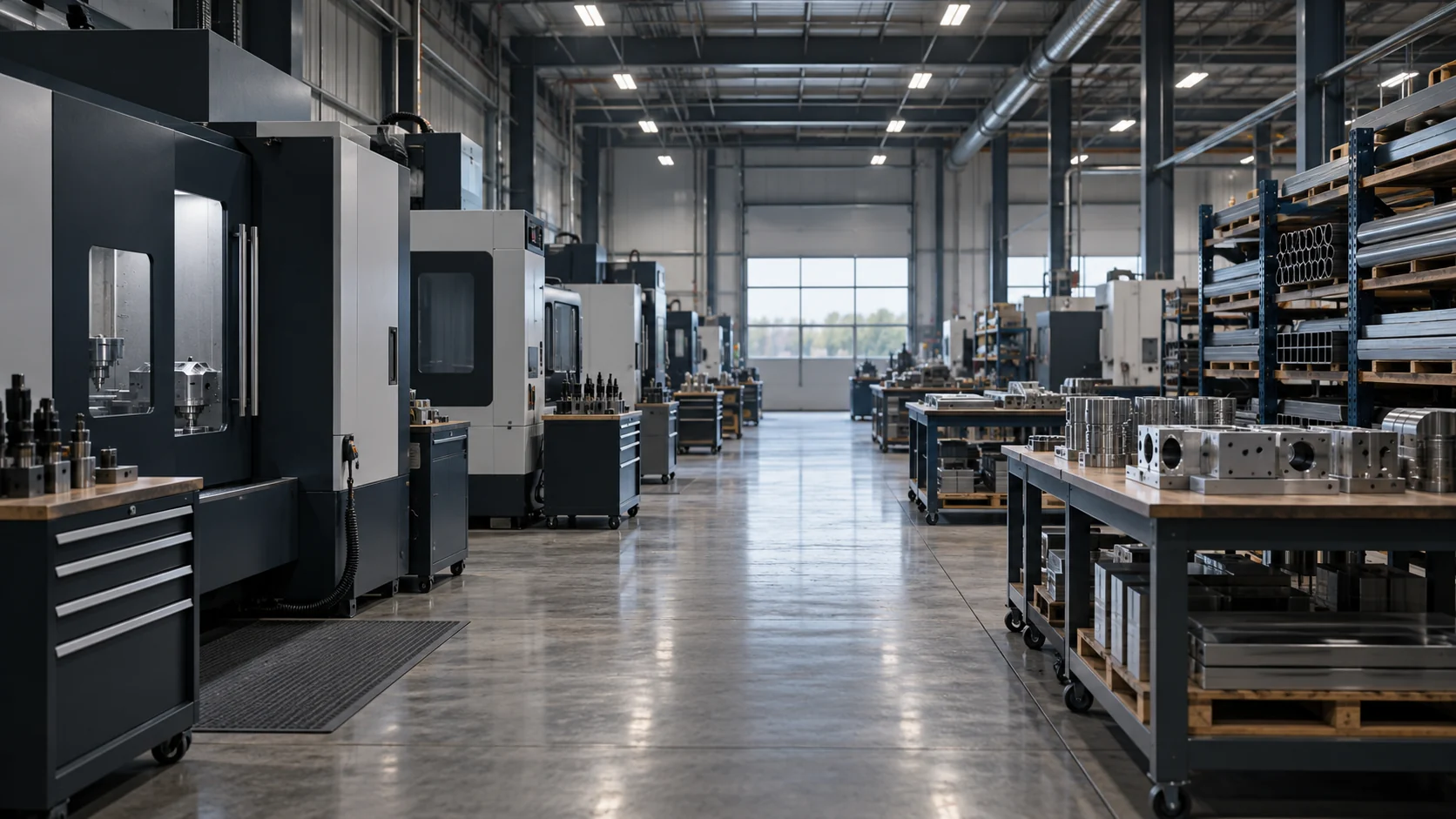
Contract Manufacturing
Drawing review, production routing, inspection and delivery in one project scope.
Learn more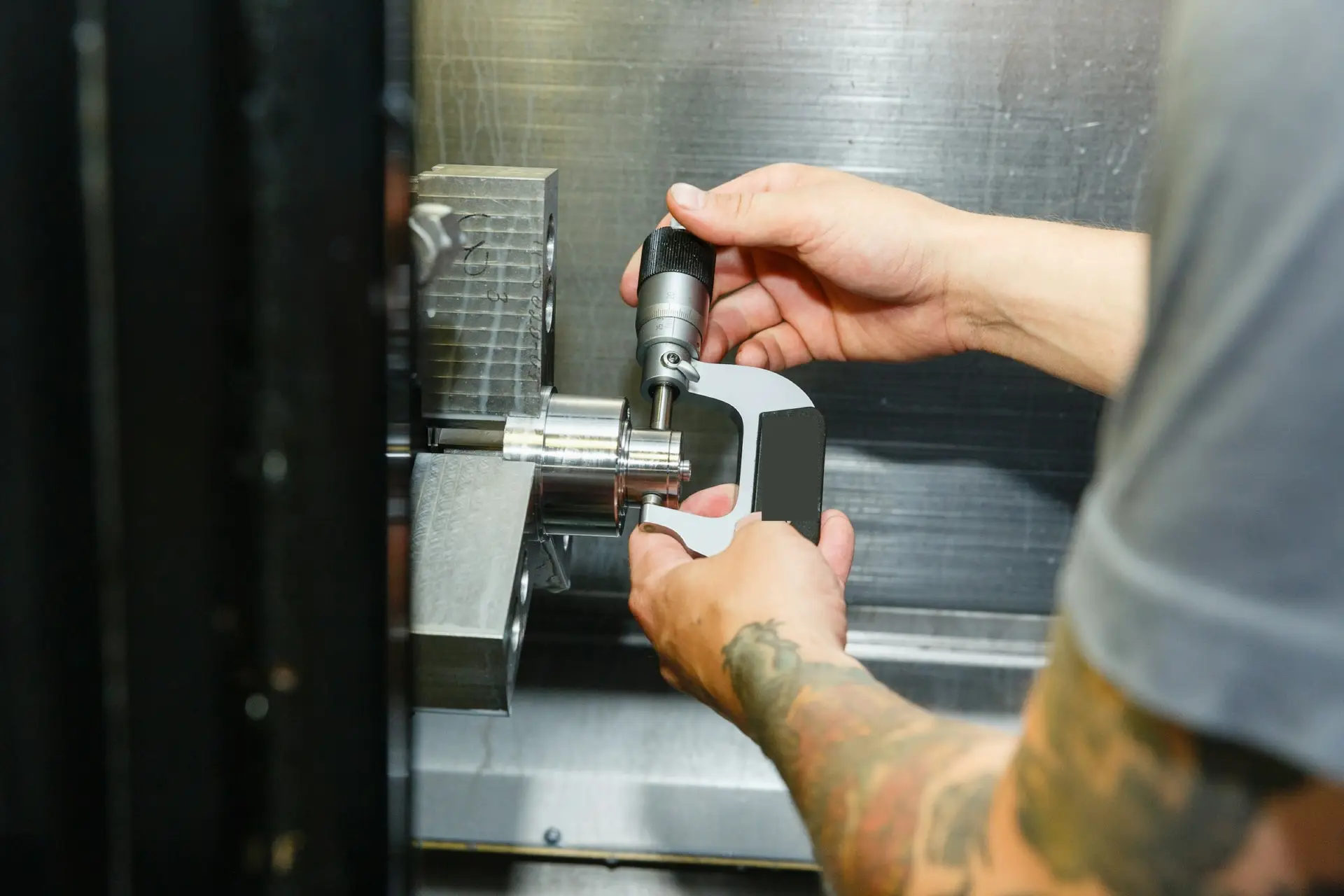
Quality Management
Agree inspection gates, measurement methods and records for each project.
Learn more
Design for Manufacturability
A scoped engineering review of design and process considerations.
Learn moreSheet Metal Materials
Compare stainless, aluminum and carbon steel grades by typical properties.
Learn more