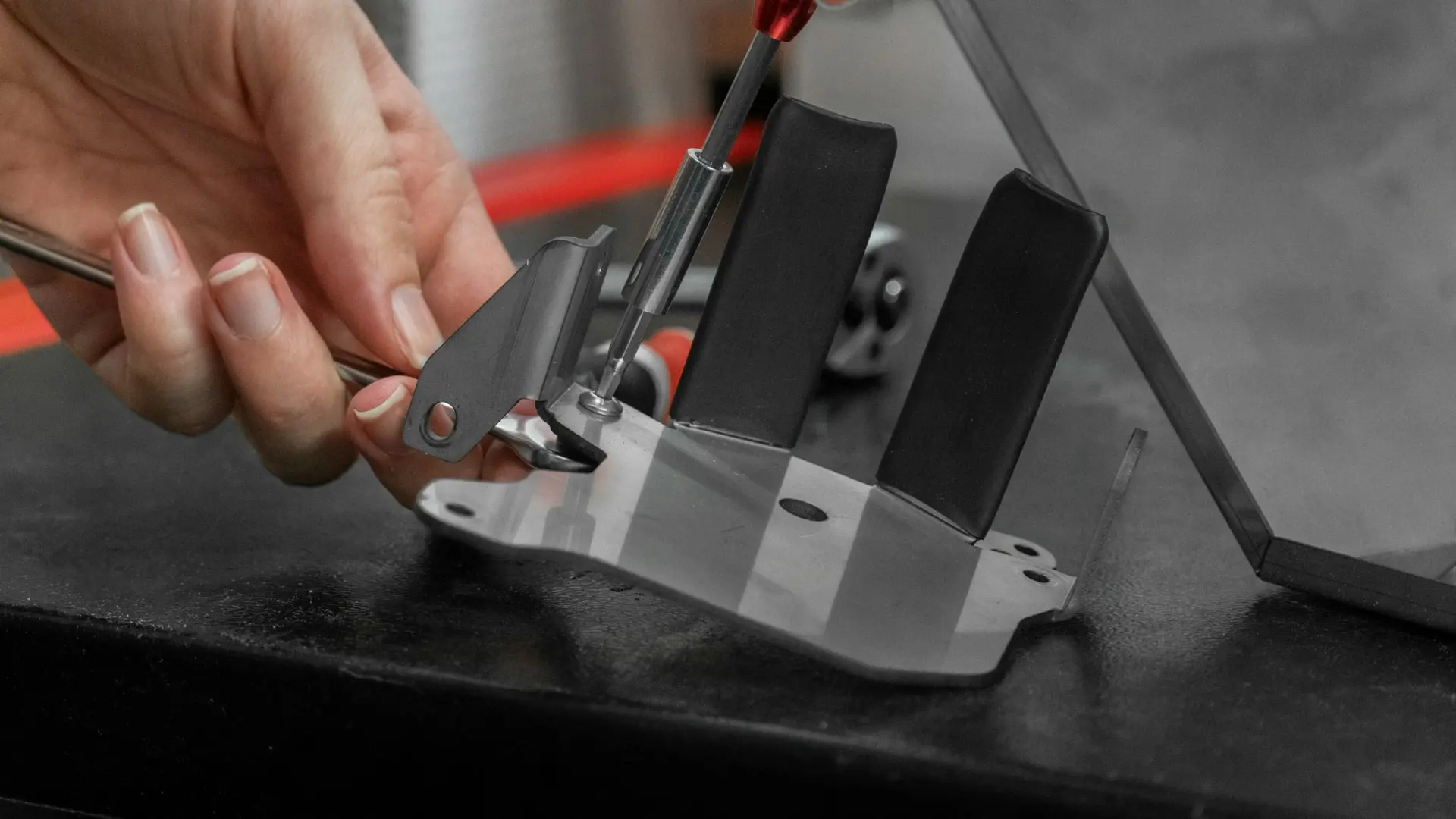
Hands fastening a bracket onto a formed metal sub-assembly with a screwdriver

Manufacturing Solution

Assembly Services

Bring machined, fabricated and molded components together with hardware as complete sub-assemblies or finished products under a single part number.

Process
Mechanical sub-assembly, product builds, kitting and packaging
Typical content
Fabricated metal, CNC machined and molded parts, plus hardware
Order size
Pilot runs to recurring production, subject to project review
Documentation
BOM control, work instructions and pilot build reports as scoped
Delivery
Packaging and labeling to agreed specifications

Comprehensive assembly management

Assembly brings custom components and purchased hardware together as sub-assemblies or finished products built to an agreed bill of materials (BOM). A single finished part number can simplify purchasing, receiving and inventory.

The BOM revision, build sequence and inspection checkpoints are reviewed with you before production release. Pilot builds can be used to confirm fit, function and instructions before recurring orders.

  • Mechanical sub-assemblies and finished product builds
  • Sourcing and integration of fasteners, hinges, gaskets and bearings
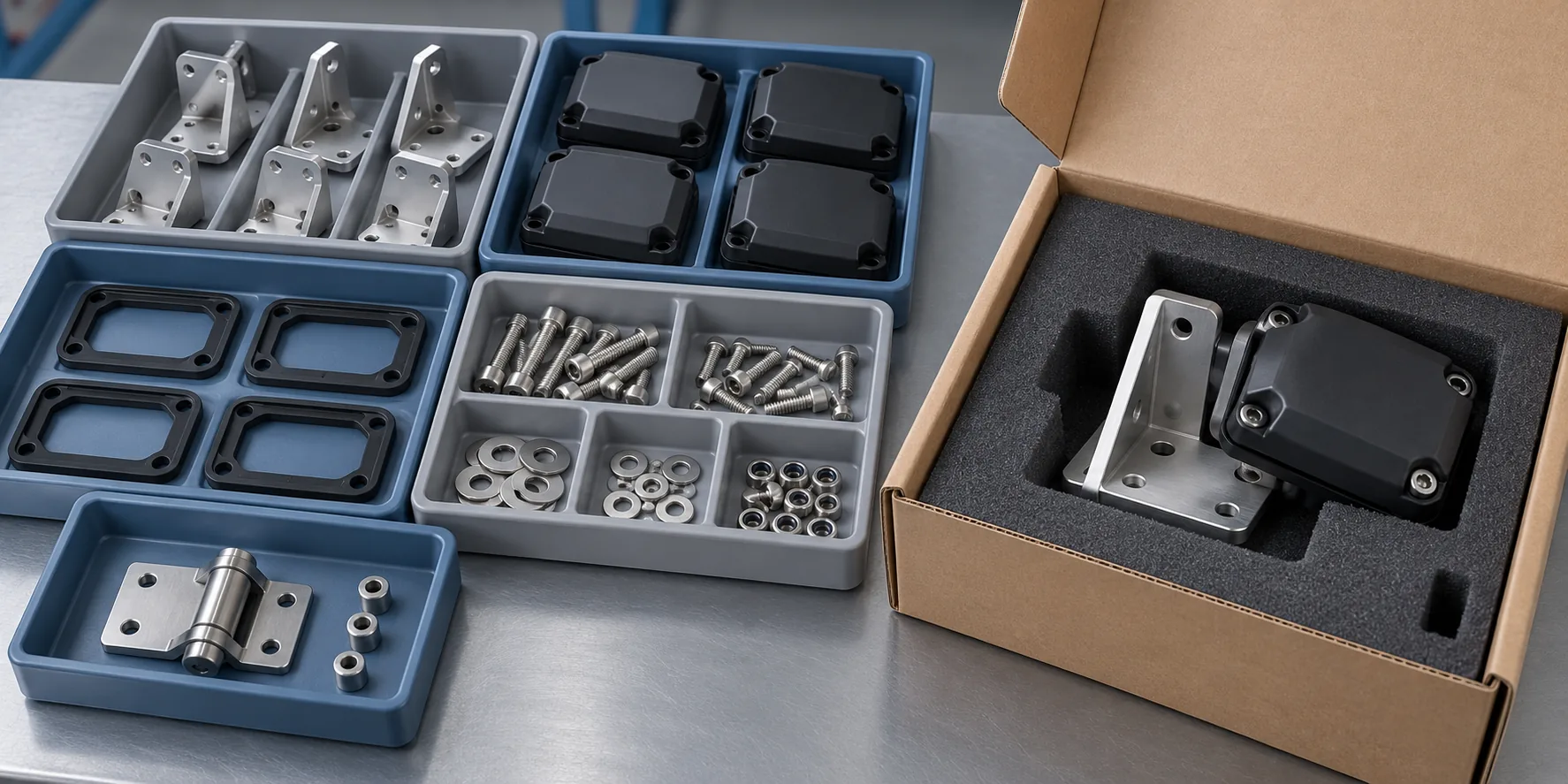
  • Kitting, barcoding, and retail or bulk packaging as specified

Supply chain and build controls

Project-specific controls help keep components, instructions and inspection criteria aligned.

  • BOM management

    Track component requirements against the approved BOM revision; review substitutions before use.

  • Standardized work instructions

    Define the assembly sequence, tools, torque requirements and station checks for the approved build.

  • Fit and function verification

    Review pilot units against drawings and agreed functional requirements before a recurring run.

  • Finishing and subcontract timing

    Coordinate plating, coating and other specified finishing before components reach final assembly.

  • Custom packaging and labeling

    Plan protective packaging, carton labels and barcodes around the project specification.

  • Consolidated commercial terms

    Set out the agreed scope for components, hardware, labor, packaging and freight in the quotation.

Assembly scope and specifications

Typical options; the quotation confirms the methods and records required for each project.

Assembly types
Mechanical sub-assemblies, finished boxed products and hardware kits
Components handled
Stamped, fabricated, machined and molded parts with specified purchased hardware
Joining methods
Threaded fasteners, riveting, self-clinching hardware, mechanical fits and bonding, as applicable
Torque control
Specified torque values and station records where required by the build plan
Lead times
Schedule confirmed after drawing, BOM, quantity and process review
Documentation
BOM revision and work instructions; pilot build report, FAI and CoC when agreed in the project scope

Design for assembly guidelines

Design review can identify ways to improve build access, repeatability and packaging.

  • Standardize fastener types

    Limit screw sizes and drive types where practical to reduce tool changes and part mix-ups.

  • Add self-locating features

    Tabs, slots, dowels and keyed geometry can help position parts and reduce orientation errors.

  • Plan tool access

    Allow clearance for drivers, torque tools and installation equipment throughout the build sequence.

  • Review tolerance stack-up

    Check cumulative variation across parts from different processes before tooling or production release.

  • Specify fastener requirements

    State torque values, thread-locking needs and verification points on approved drawings or instructions.

  • Define packaging early

    Agree on protection, labels and carton quantities while planning the build and shipment.

Assembly execution

Station execution

Build to approved instructions

Stations follow the agreed sequence and checkpoints. Calibrated tools and torque records are used where specified by the build plan.

  • Approved sequence and component revision
  • Defined tools and station checks
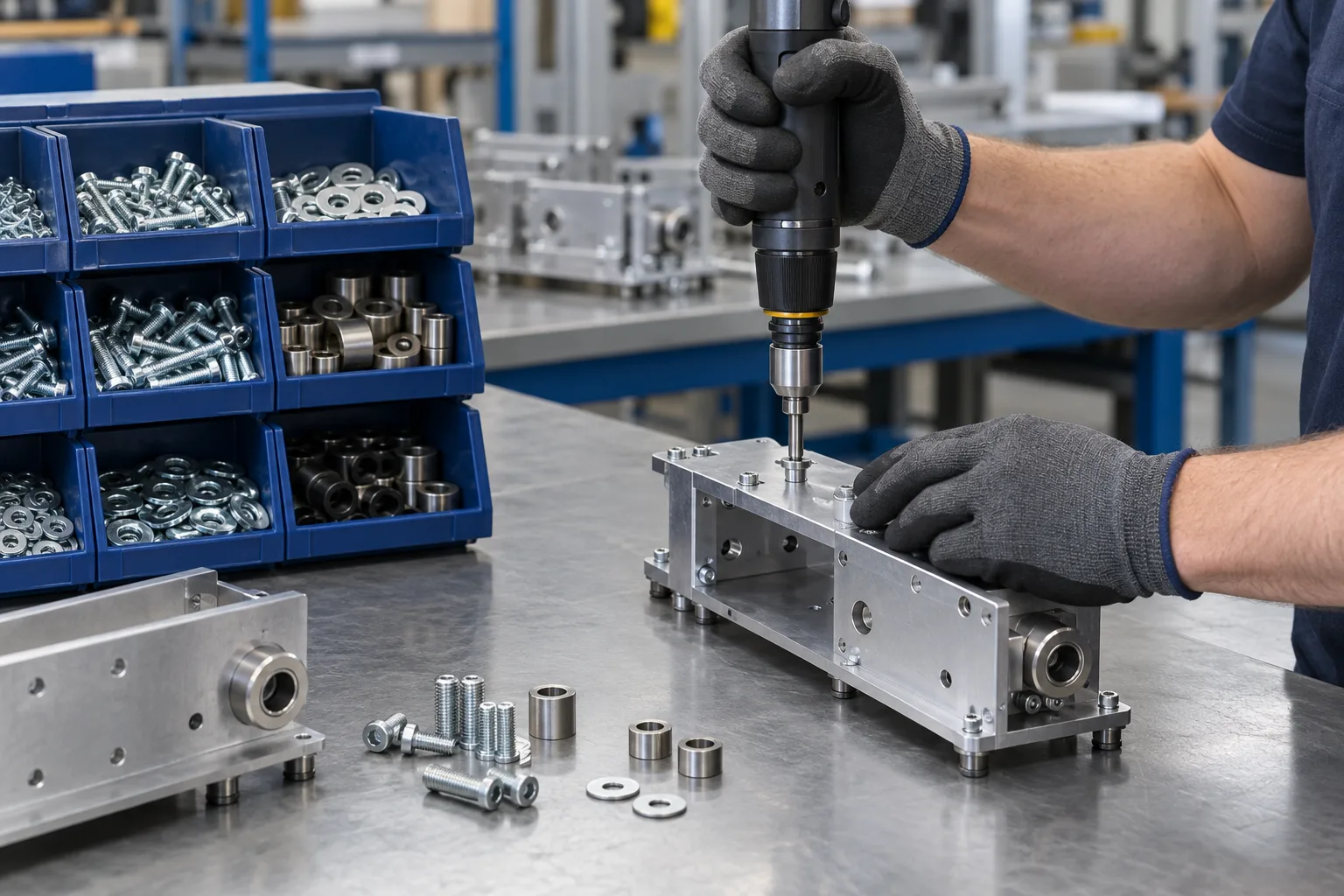
Illustrative assembly workstation with a powered fastening tool and sorted hardware bins

Inspection and testing

Verify before packaging

Pilot and production checks are defined against the mechanical drawings and agreed quality criteria. Results and any corrective actions are reviewed before final packaging.

  • Fit and function checks as scoped
  • Packaging release against agreed criteria
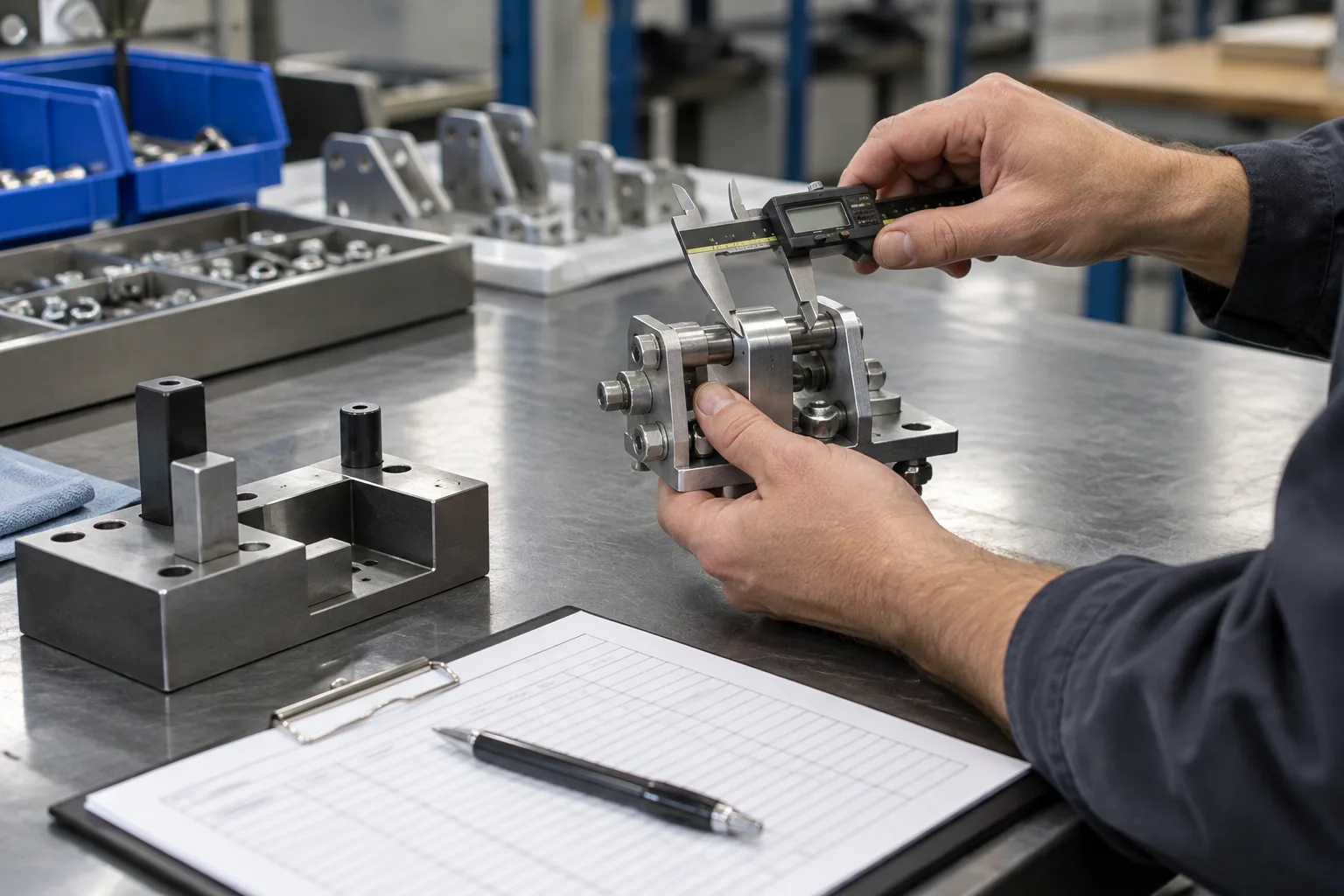
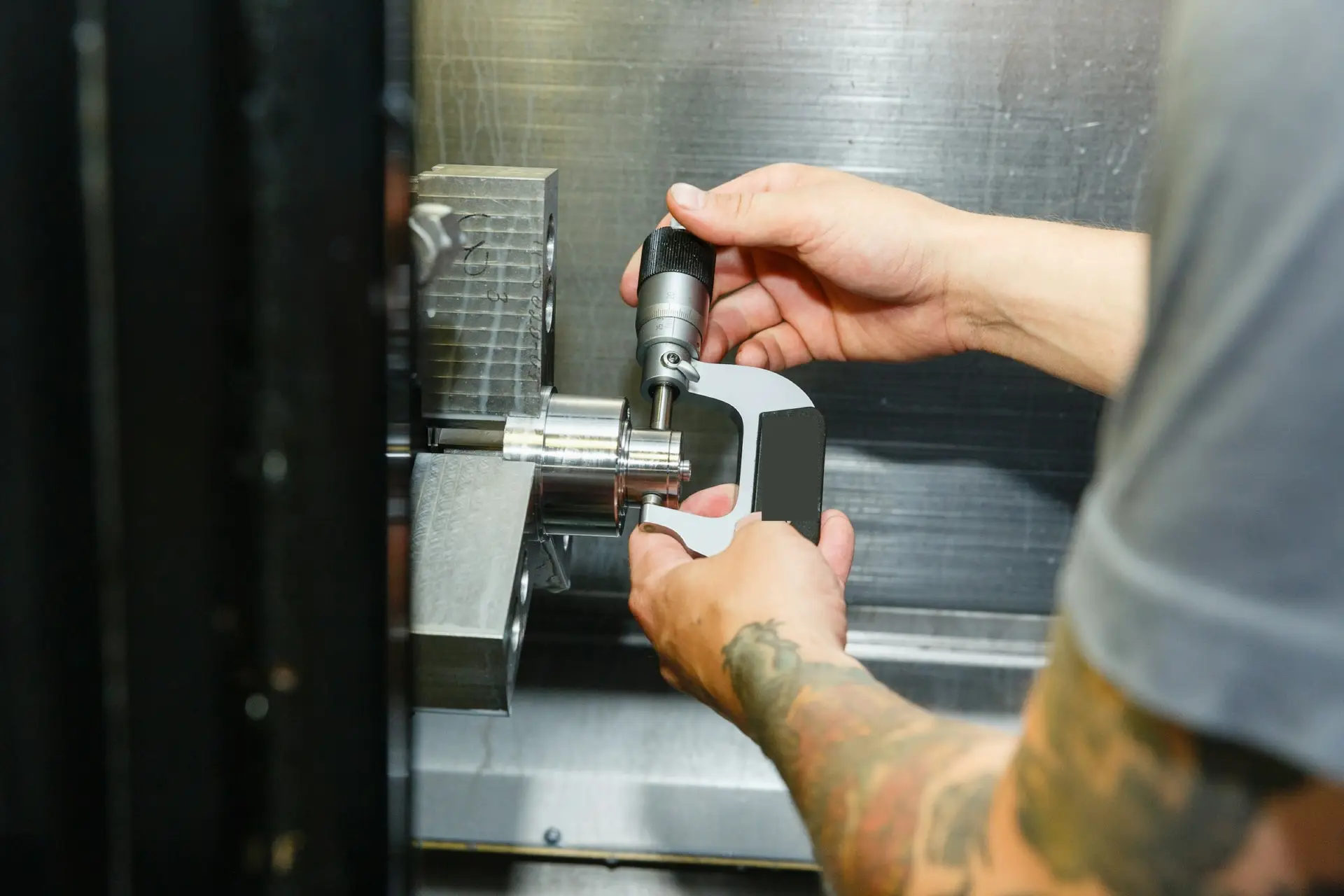
Illustrative final inspection of a mechanical sub-assembly with a digital caliper

Assembly questions

What is the difference between a sub-assembly and a finished build?

A sub-assembly is a group of parts intended for a larger product. A finished build is assembled and packaged for the agreed end use. The exact build and packaging scope is defined during quotation.

Can parts from other suppliers be included?

Customer-supplied or third-party components can be reviewed for inclusion. Incoming checks, handling and responsibility for nonconforming parts are agreed before the build.

Who sources standard hardware?

Hardware sourcing can be included against the approved BOM. Proposed alternates are reviewed with you before substitution.

Do you build electrical or electronic assemblies?

Electrical assembly scope is Coming soon. Share your requirements so we can confirm whether the project is a fit.

Can you apply our labels and packaging?

Packaging, label artwork, barcodes and carton requirements can be included in the quoted scope and work instructions.

Have an assembly to source?

Share your drawings, BOM, expected quantities and packaging requirements so we can review the scope and next steps.