

Manufacturing Solution
Plastic Injection Molding
Thermoplastic injection molding from tooling design and DFM review through sampling, production and secondary finishing, scoped to each project.
- Processes
- Single and multi-cavity molding, insert molding and overmolding, subject to project scope
- Typical resins
- ABS, PC, PC/ABS, PA6/PA66, PP, POM, PBT, TPE and TPU; grade availability confirmed per project
- Order size
- Prototype and bridge runs through recurring production, subject to tool and facility review
- Documentation
- T1 sample reports, FAI, CoA, CoC or PPAP when specified and available for the project
- Delivery
- Packaging and shipping terms defined in the quotation
Scalable thermoplastic component production
Injection molding can produce complex plastic components with repeatable dimensions and a range of surface finishes. The process is often suited to medium and high volumes, with the right production route depending on part geometry, material and tooling investment.
Engineering review can cover moldability, resin selection, shrinkage assumptions, gates and parting lines before tooling decisions are finalized. Sample approval, texture and production release criteria are agreed for each program.
- Design for manufacturability review; mold-flow analysis can be scoped when appropriate
- Tool material, cavity count and tooling specification selected for expected volume and part requirements
- Secondary operations such as ultrasonic welding, pad printing and assembly considered where suitable
Tooling and molding capabilities
Available processes and tooling routes depend on part design, resin, volume and the selected production facility.
Standard injection molding
Single or multi-cavity tooling for housings, covers and structural components, with cavity layout reviewed against demand and part design.
Insert molding
Metal bushings, threaded inserts or electrical features can be incorporated where the design and process support it.
Overmolding
TPE or TPU over a compatible rigid substrate can be considered for grip, sealing or multi-material requirements.
Family tooling
Multiple components may be combined in one tool when their materials, volumes and production balance are suitable.
Tooling design and build
Tool material, cooling, cavity count, ownership and maintenance terms are defined for the selected volume and part requirements.
Sampling and finishing
T1 sampling, dimensional review, texture and secondary operations can be included when defined in the project scope.
Scope and specifications
Final capability, documentation and timing are confirmed after drawing, resin and quantity review.
- Molding processes
- Single-cavity, multi-cavity, insert molding, overmolding and family tooling, as appropriate
- Resin materials
- Commodity and engineering polymers; grade and supply are confirmed per application
- Tolerances
- Agreed against resin behavior, part geometry, tooling and identified critical features
- Surface finishes
- Polish, texture and mold-grain requirements specified by reference and project review
- Samples and records
- T1 samples, dimensional reporting, FAI or material documentation when specified and available
- Tooling and production timing
- Schedule confirmed after drawing, resin, tooling and quantity review
- ABS
- Polycarbonate (PC)
- PC/ABS
- PA6 / PA66 (Nylon)
- Glass-filled PA
- POM (Acetal)
- Polypropylene (PP)
- PBT
- TPE / TPU
- Color matching by reference
Design for manufacturability guidelines
These are starting points for design review; final recommendations depend on the resin, geometry and tooling approach.
- Maintain uniform wall thickness where practical to reduce sink, voids and warpage risk
- Provide draft in the mold pull direction; the needed angle depends on resin, texture and geometry
- Keep ribs proportionate to adjacent walls to reduce sink risk on cosmetic surfaces
- Core out thick bosses and connect them to walls with ribs or gussets where the design allows
- Use radii at internal corners to limit stress concentration and support material flow
- Review undercuts early because slides or lifters can affect tool complexity and cost
Molded component examples
All images are illustrative examples and do not confirm specific production equipment, inspection methods or project scope.
-

Technical covers and componentsRibs, bosses and snap features can be reviewed for moldability. -
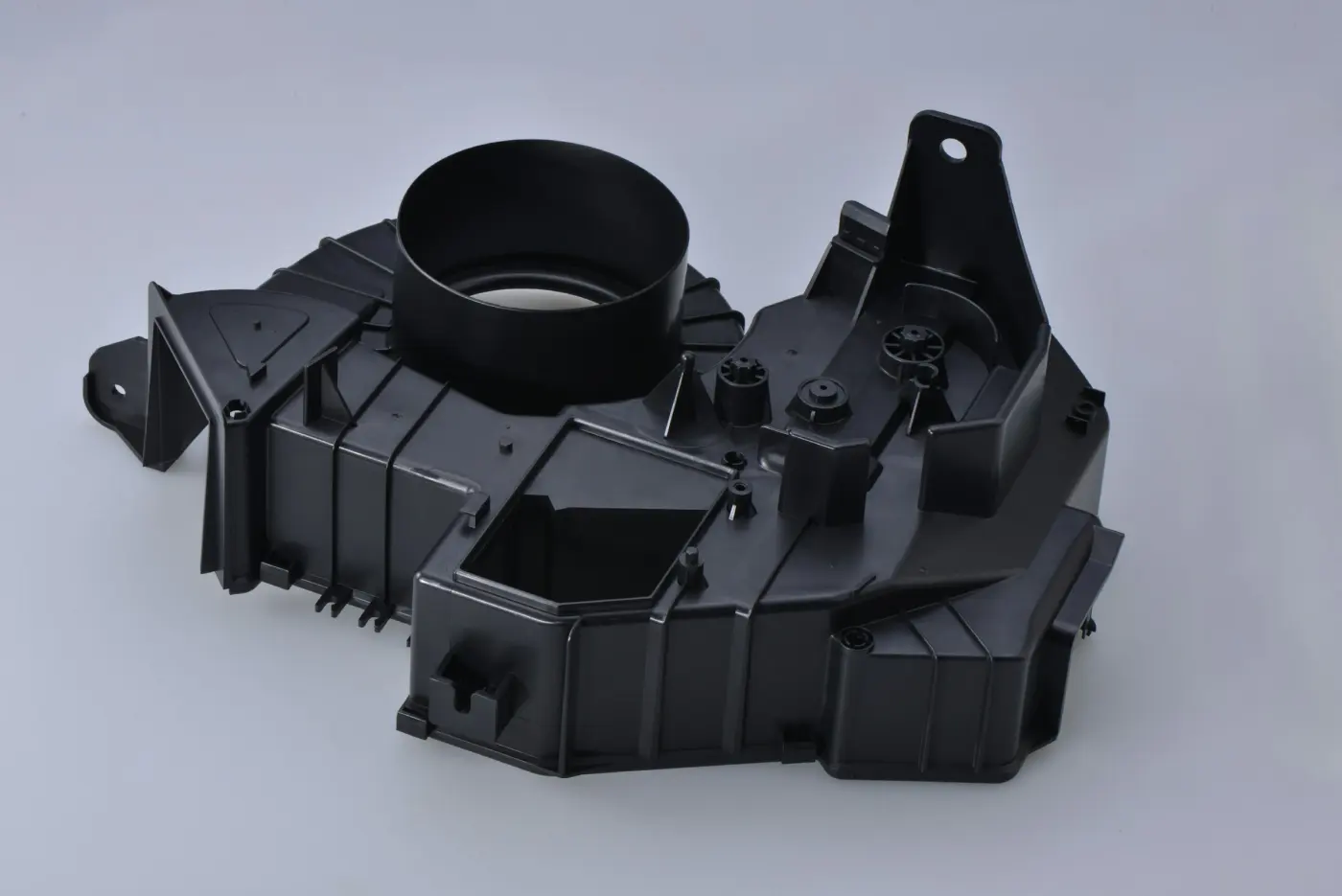
Enclosure housingsOpenings, mounting features and walls integrated to suit the application. -
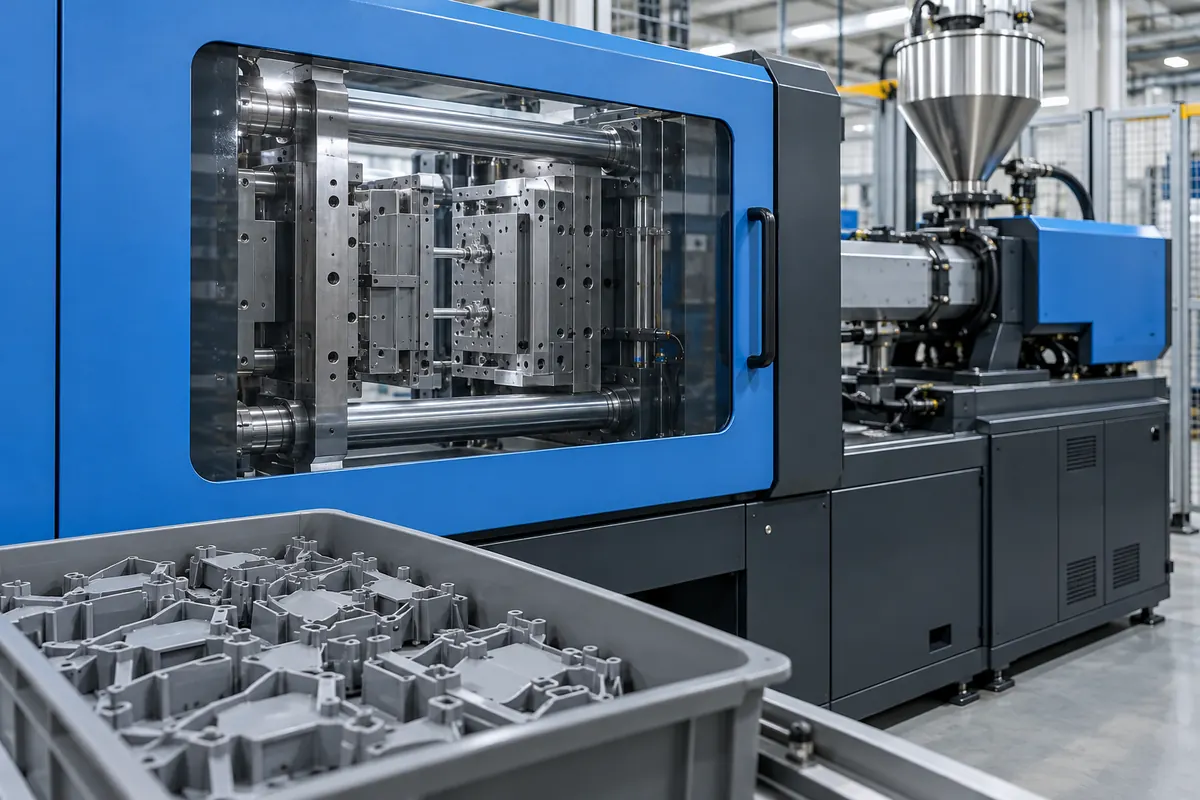
Injection molding pressIllustrative image of molding equipment; facility equipment varies by project. -

Dimensional inspectionIllustrative CMM inspection setup; measurement methods are agreed per project. -

Overmolded shellsMaterial compatibility and interface design need project review. -

Bezels and trimGate and ejector locations can be considered against visible surfaces.
From design review to production
Project steps and deliverables are confirmed in the quotation and sampling plan.
- 01
Drawing and resin review
Review part geometry, target material, quantities and critical features to define a suitable quote scope.
- 02
Tooling specification
Agree the tool design basis, cavity arrangement, responsibilities and sampling criteria before build.
- 03
T1 sampling
Review initial samples against agreed dimensions and appearance criteria; correction needs are documented for project review.
- 04
Production release
Production timing, inspection records, packaging and shipping terms are confirmed for the approved scope.
Injection molding questions
How do I choose a resin?
Share the part’s mechanical loads, temperature range, chemical exposure, appearance and regulatory requirements. Resin grade and availability should be confirmed for the application before tooling.
What is a T1 sample?
T1 refers to initial samples from a new mold. Dimensional checks or a report can be defined against the drawing as part of the sampling plan.
Which tooling class should I specify?
Tool class depends on expected lifetime volume, resin, geometry and maintenance requirements. SPI classes 101–104 are reference categories that may be considered; the actual specification and tool-life expectation should be agreed in the quotation.
What tolerances and documentation are available?
Tolerance depends on resin, shrinkage behavior, part geometry, tooling and measurement method. Identify critical dimensions early. T1 dimensional reports, FAI, material CoA, CoC or PPAP should be requested during quotation; availability and format depend on the project and production facility.
Have a molded part to source?
Share your drawing or 3D model, target resin and expected quantities. The team can review the requirements and confirm a project-specific quote scope and next steps.
Related pages
Plastic Materials
Compare ABS, PC, PA66, POM and PP by typical properties and use.
Learn more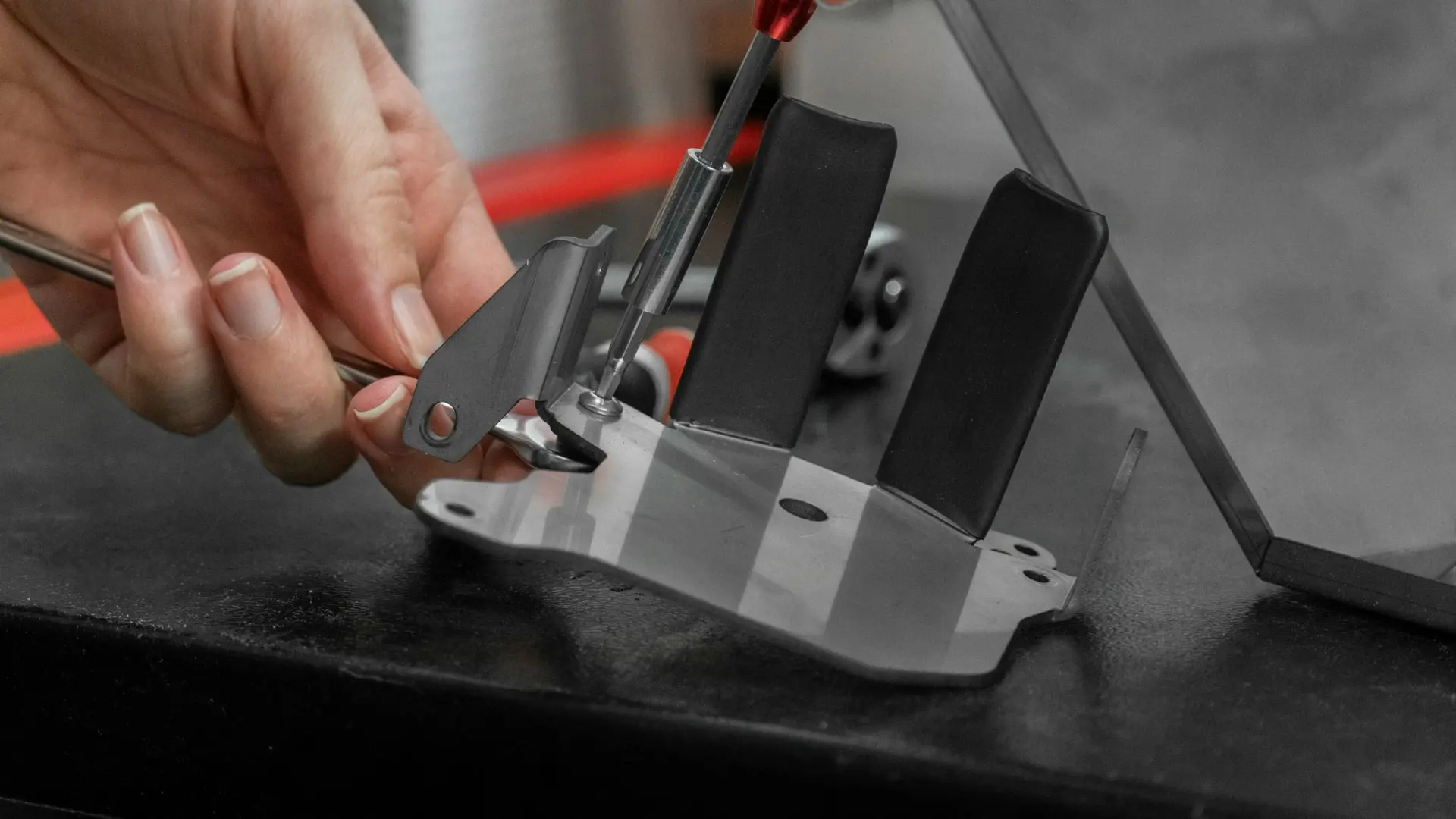
Assembly
Mechanical sub-assemblies, finished builds and kits from custom parts and hardware.
Learn more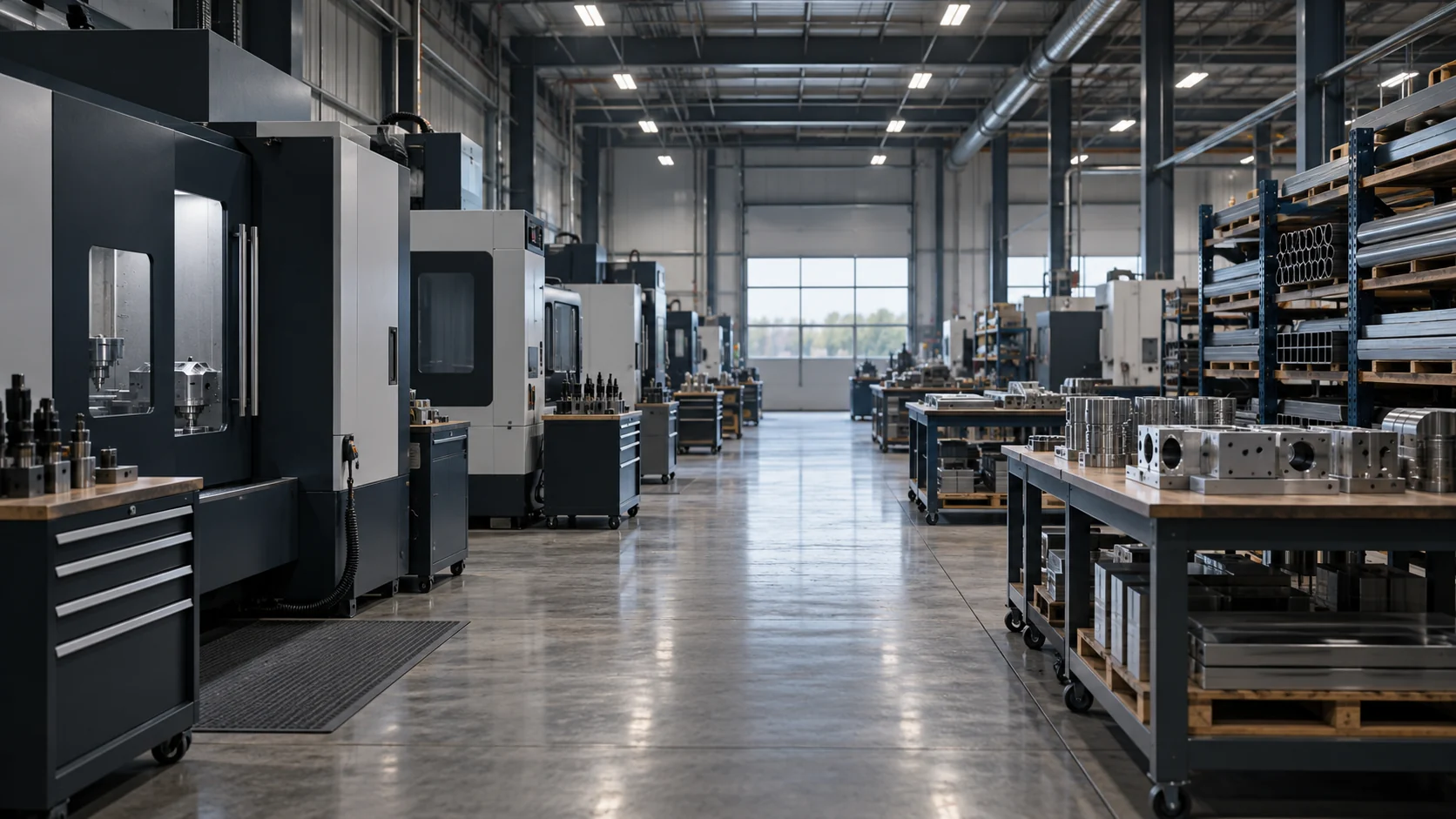
Contract Manufacturing
Drawing review, production routing, inspection and delivery in one project scope.
Learn more
Design for Manufacturability
A scoped engineering review of design and process considerations.
Learn more